Skip to content
Practitioner Mentorship

Better methods are not enough.
You need judgement in the room.

Private mentorship for performance coaches, heads of performance, and senior practitioners who already know the work — and need clearer mandate, communication, and decision-making inside elite sport.

Start a private conversation

Limited by conflict, fit, and timing — not by volume. One honest conversation first.

What nobody says out loud

The next level is rarely more methods.
It is better operating judgement.

The science matters. So does the room around it. The hard part is knowing how to protect the standard, communicate risk, earn trust, and hold your line when the coach, GM, player, and calendar are all applying different pressure.

You know when to say no. You do not always know how.

There is a version of no that costs you everything. There is a version that costs you nothing and earns you more respect than a yes would have. The difference is not what you say. It is what has been built before that moment arrives.

The head coach is not your enemy. But he is not thinking what you are thinking.

Understanding what a head coach actually needs from you — not what he says he needs, what he actually needs — changes every conversation you will ever have with one. That understanding does not come from a textbook. It comes from having been on the other side of those conversations for three decades.

The GM hired you. That does not mean he understands what you do.

Most GMs who hire a performance professional cannot articulate what success looks like for that role in three years. If you cannot define it for them in language they trust, the mandate stays vague — and vague mandates are the first thing that disappears when results are under pressure.

You are probably better than the environment you are working in.

That is not a compliment. It is a problem. A practitioner who is technically ahead of the organisation around him either adapts the environment or gets slowly ground down by it. The first option requires skills that have nothing to do with the science — and everything to do with how organisations actually work.

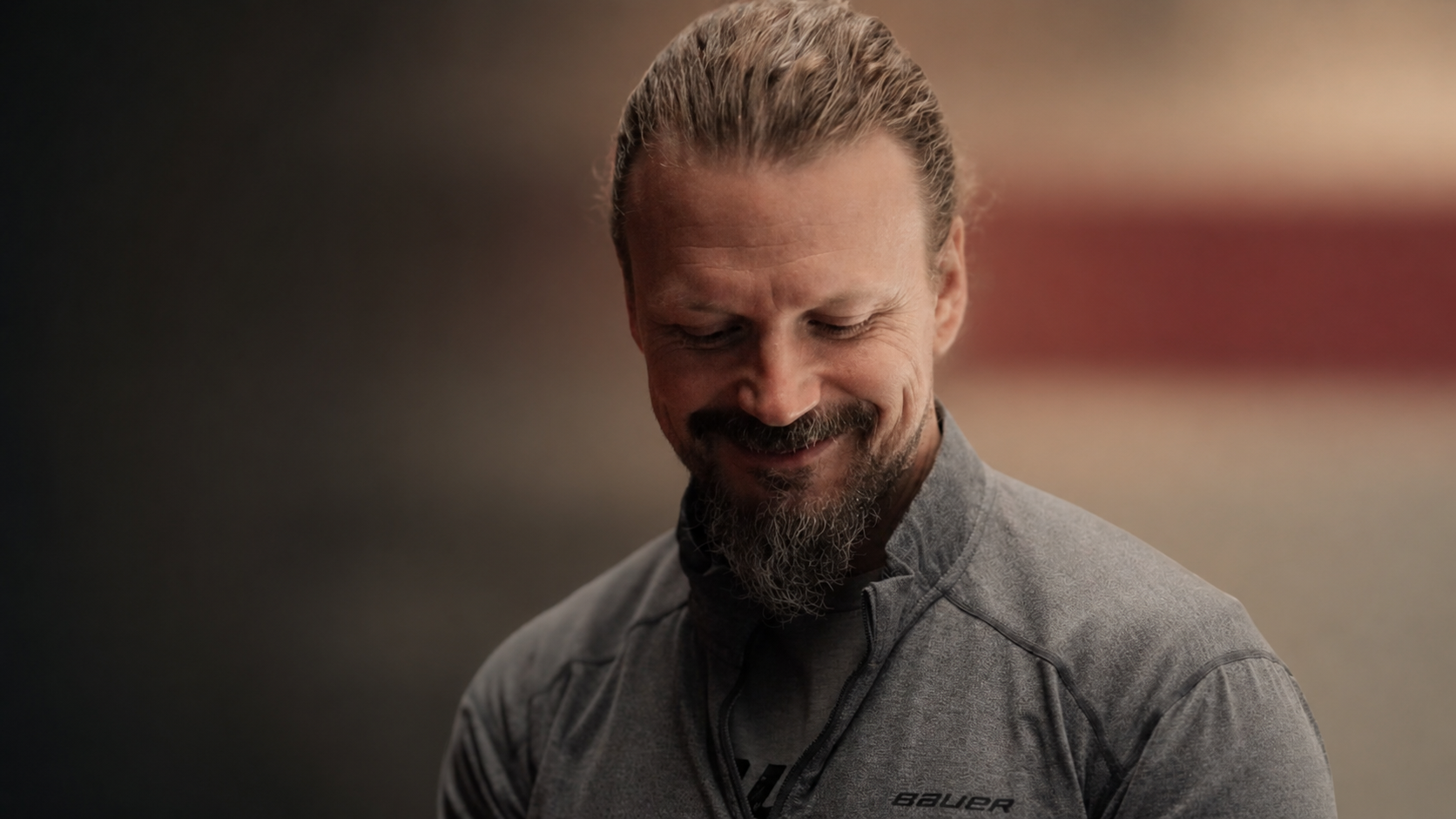
"The best performance coaches I have worked with did not fail because their methods were wrong. They failed because nobody taught them that the work lives inside a political reality — and that political reality needs to be understood, navigated, and sometimes directly challenged." Magnus Ågren
What the work covers

Not a curriculum.
The decisions that actually matter.

Every mentorship relationship is different. But the same themes return in every serious practitioner conversation: mandate, communication, trust, timing, and judgement under pressure.

Area one

Authority, mandate, and how to protect both

A performance system without a protected mandate is not a system. It is a suggestion. Understanding how to build the mandate — in writing, in culture, in the language the club already uses — is the difference between work that survives and work that dissolves the moment someone new arrives.

This includes the specific conversations to have before accepting a role, and the ones to have in the first three months that most practitioners leave until it is too late.

Area two

Reading the room — coaches, GMs, and what they actually need

A head coach and a GM are both making decisions inside a political reality you can either ignore or understand. When you understand what drives each decision, you stop fighting the wrong battles. You know when to push, when to hold, when to let something go, and when not letting it go is the only professional option.

The ability to read a room accurately is a skill. It is learnable. But it requires experience on the other side of the table — and that only comes from having been on the other side of those tables for long enough.

Area three

Knowing when and how to say no — and standing there

Saying no in elite sport is not about being difficult. It is about being the person in the building who holds a standard regardless of what the score is on Friday. Done correctly, it earns more trust than any amount of accommodation. Done without the groundwork, it ends careers. The difference is everything that comes before the word leaves your mouth.

This is the conversation most performance coaches most need and least know how to prepare for. It is also the one that defines whether the work ever gets the room it deserves.

Who this is for

For serious practitioners.
Not spectators.

This is not a development programme for practitioners who are still finding their way. It is a working relationship for people who are already doing serious work inside elite environments and who have hit the specific wall that comes when technical capability outgrows the organisational context it is operating inside.

Performance coaches working inside professional hockey clubs at SHL, DEL, Swiss NL, Liiga, or comparable level — who are capable of the work but unsupported in the environment.

Heads of performance stepping into a senior role for the first time — who need the professional survival skills that do not appear in any certification programme.

Experienced practitioners who have watched good work fail for structural or political reasons and want to understand why — and what to do differently next time.

Performance professionals outside hockey who work at comparable elite level and face identical structural challenges with different terminology.

The constraint

Limited by design.
Not by availability.

This exists at the edges of everything else — taken on only when the other work allows it, only when the fit is real, and only in a way that creates zero conflict with any active club engagement.

A practitioner working at a club currently in any kind of active engagement with this work does not qualify. Not because of rules, but because the relationship requires complete honesty — and complete honesty cannot coexist with a situation where the interests overlap.

What this means in practice: the number of people in this kind of working relationship at any one time is small. It is not a waiting list. It is a genuine question of whether the timing, the fit, and the absence of conflict all line up at the same moment.

If they do, the conversation is worth having. If they do not, the honest thing is to say so clearly — which is exactly what the first conversation is for.

How it works

A confidential advisory relationship.
Built around real decisions.

The structure stays simple because the work has to stay real. The conversation is built around the moments that actually shape your role — the meeting before the meeting, the difficult no, the role decision, the mandate question, and the pressure point you cannot discuss inside the building.

First

One honest conversation

Before anything else — a direct read of whether the situation, the fit, and the absence of conflict all align. Not a sales conversation. A genuine assessment of whether this makes sense for both sides right now.

Then

The relationship takes the shape it needs

Some situations call for regular conversations over a season. Others need a specific exchange when a particular moment arrives — before a contract renewal, before a difficult conversation with a coach, before accepting a role that might not be what it looks like. The shape is determined by what is actually happening, not by a predetermined structure.

Always

Complete confidentiality in both directions

What is said in these conversations stays there. That is not a policy statement — it is the only way the relationship can function. A practitioner who cannot speak honestly about what is happening in their environment gains nothing. The confidentiality runs in both directions, fully, without qualification.

Contact

Send a confidential note.

A short note is enough. What you are working on, where the pressure is showing up, and whether the constraint question has an obvious answer from your side.

The first conversation commits to nothing. It is an honest read of the situation, the conflict boundaries, and whether the relationship would actually help.

Please note — this mentorship exists entirely separately from any club-level engagement. If the club you work for is in or approaching any active engagement with this work, that conversation needs to happen first.

Mentorship inquiry

Write only what is useful.

Response within 48 hours.

This is for context, not a full explanation. The real conversation happens privately.

Your message is handled confidentially and never shared.

Where mentorship fits

The system only holds if the people inside it can hold their role.

Architecture gives the club structure. Development gives the work direction. Mentorship helps the practitioners inside the system build the judgement, mandate, and communication skill to make that structure real.

Club layer

Performance System Architecture

The decision structure that protects clarity when pressure rises.

Applied layer

Performance Development

The practical training, testing, progression, and return-to-play logic the athlete experiences.

People layer

Practitioner Mentorship

The role clarity and judgement practitioners need when the room gets difficult.